Ever notice how waiting is an inevitable part of modern life. Whether standing in line at the airport gate, stuck in traffic, or sitting in a waiting room, we all have those pockets of idle time. But thanks to smartphones and high-speed mobile networks, these once-dreaded moments have transformed into opportunities for entertainment, productivity, and connection. This article explores how smartphones changed waiting time forever, turning boring pauses into engaging experiences.
Waiting Time as a New Entertainment Window
Before smartphones, waiting often meant doing little more than glancing at a watch, fiddling with loose change, or maybe carrying a book or magazine. The concept of idle time entertainment was limited by what you could physically bring along and how long you could sustain that activity without interruption.
Smartphones turned these short bursts of waiting — sometimes just seconds, sometimes minutes or even hours — into a new kind of entertainment window. With instant access to apps, videos, music, games, and social media, you could fill those small pockets of time with meaningful or fun content. The beauty is that smartphone use fits perfectly with the stop-start nature of waiting:. Exactly.
- You can watch a short video clip in line. You can scroll through news headlines while waiting for a bus. You can play quick rounds of mobile games during a layover. You can catch up on messages and social feeds whenever a few free moments appear.
This snackable content approach became a key pattern in smartphone use, adapting entertainment to fit intermittent pauses rather than requiring large blocks of time.
The Phone as an All-in-One Device
One of the biggest ways smartphones changed waiting time is by consolidating multiple gadgets into one handy device. Where once you might have brought a portable music player, a handheld game console, a digital camera, a notebook, and a physical book, your phone as all in one device replaced all those items.
This consolidation means less hassle and better convenience:
Music and podcasts: Your phone is your portable jukebox, loaded with streaming apps or downloaded media for offline listening during dead zones. Games: From quick puzzles to immersive stories, mobile games cater to any duration you have. Videos and streaming: Thanks to high-speed mobile networks, you can stream high-quality videos without worrying about buffering—perfect for filling waiting time. Social and messaging: Keeping in touch becomes effortless, letting you catch up with friends or family in even the briefest moments. Camera and creative tools: You can snap photos, jot down notes, or explore creativity on the go without carrying extra gear.Essentially, your smartphone transformed waiting into a multi-dimensional experience capable of meeting different moods and needs right on the the spot.
The Importance of High-Speed Mobile Networks
Smartphones themselves are powerful, but much of what makes waiting less boring hinges on high-speed mobile networks. Without fast, reliable connections, streaming or loading dynamic content becomes frustrating or impossible.
Modern cellular networks like 4G LTE and 5G enable rapid access to cloud-based apps, video streaming, and social platforms, supporting diverse habits and preferences during idle moments. This means:
- Instant loading of video clips, even short-form “snackable” videos. Seamless interaction with social feeds and messaging apps. Quick downloads of podcasts, e-books, and apps for offline use. Real-time gaming with friends or other players online.
In airports, train stations, cafés, and city streets, where waiting commonly happens, these networks provide the infrastructure that makes your smartphone the ultimate waiting companion.
App Ecosystems Enable More Variety and Personalization
The evolution of app ecosystems plays a huge role in why smartphones changed waiting time. The wide variety and specialization of apps let users tailor their idle time entertainment to their exact tastes and needs.
Thanks to app stores packed with millions https://sim-unlock.net/wp/2026/07/14/how_smartphones_turned_every_waiting_moment_into_entertainment/ of options, you can switch instantly between genres and formats, such as:
- News and articles for those who want to stay informed Streaming TV shows and movies for immersive experiences Music and podcast apps catering to varied audio interests Mobile games spanning casual to complex gameplay Creative apps for doodling, writing, or photo editing Productivity apps to catch up on emails or organize your day
This variety means your moments of waiting don’t just have one kind of entertainment or activity—they can become micro-adventures of choice and creativity. The ability to download apps that fit your lifestyle also means you don’t have to carry multiple gadgets or media; your phone becomes the gateway to everything.
Common Mistake: Focus on Features Without Context or Cost
When discussing smartphones and mobile networks, many articles waste time with vague buzzwords or ramble through endless steps without getting to the point about what actually improves user experience while waiting. Another frequent oversight is pushing certain apps or upgrades without addressing the most practical concern for users—costs and data limits.
Smartphone entertainment is fantastic, but it’s not magic. Streaming and downloading content can quickly consume data, and without knowing how to manage those limits or access offline options, users can end up frustrated by extra charges or unusable content. Also, not every network or location has perfect coverage, so waiting time entertainment should include smart preparation: loading content ahead, having offline apps, or knowing when to switch to airplane mode and just read or listen.

Always remember: entertaining yourself during waiting is great, but it’s equally important to adapt based on your mobile plan, connectivity, and budget. Here's a story that illustrates this perfectly: learned this lesson the hard way.. Smartphones make idle time fun and manageable only when used with realistic expectations and preparation.
Smartphone Tips to Make Waiting Less Boring
If you want to fully harness your smartphone as an all-in-one device for idle time entertainment, here are practical tips that work regardless of data plans or network strength:
Download content for offline use: Podcasts, playlists, e-books, and videos you can access without connectivity make dead zones less annoying. Use quick, snackable apps: Micro games, short videos, or news flashes fit well with stop-start waiting moments. Manage background data: Disable automatic background updates or app refreshes to save bandwidth. Carry portable power: A small power bank ensures your phone won’t die before your wait ends. Explore new app categories: Try apps for meditation, language learning, or creativity to diversify how you spend waiting time. Be mindful of surroundings: Use headphones in public spaces and take breaks from screens to avoid eye strain.Conclusion: Waiting Time, Reimagined
Smartphones, combined with high-speed mobile networks, have revolutionized how we experience waiting. No longer a dull or wasted moment, idle time can become a rich, customizable period of entertainment, connection, and productivity.
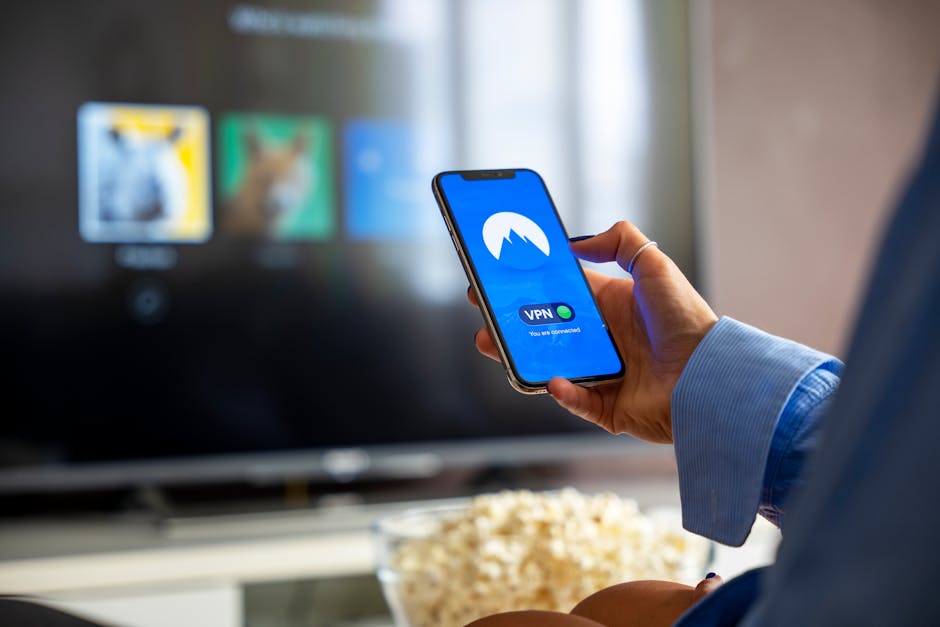
By turning waiting into a window of opportunity, smartphones transformed a frustrating part of life into a moment to relax, learn, or catch up on things you enjoy. The phone as all in one device enables effortless switching between music, video, games, social media, and more—while the ever-growing app ecosystem constantly expands your choices. Meanwhile, fast internet access makes this possible almost anywhere, anytime.
Next time you find yourself waiting, remember this simple fact: you hold in your hand more entertainment power than rooms full of gadgets from a decade ago. Waiting doesn’t have to be boring anymore.