Anyone who’s worked with AI language models for more than a few prompts has noticed a frustrating truth: these models often give different answers to the very same question. Whether you’re using the latest version of ChatGPT for customer support, exploring predictive analytics on Suprmind, or scrolling through insights on StartupFortune, observing frontier model differences can feel like hitting a moving target.
Why does this AI divergence happen? And what practical tools and workflows can you use to navigate the chaos? Today, we'll unpack the nuances behind the discrepancies in AI model outputs, highlight emerging multi-model comparison techniques, and show why embracing deviation might actually be your smartest move yet.
Understanding The Roots of AI Model Divergence
At a high level, AI models disagree due to differences in architecture, training data, and the internal heuristics they build to “understand” language. But that explanation barely scratches the surface. Here are the key reasons why the same prompt can generate varying responses:
1. Model Architecture and Training Datasets
Different AI companies prioritize varied objectives and datasets when building models:
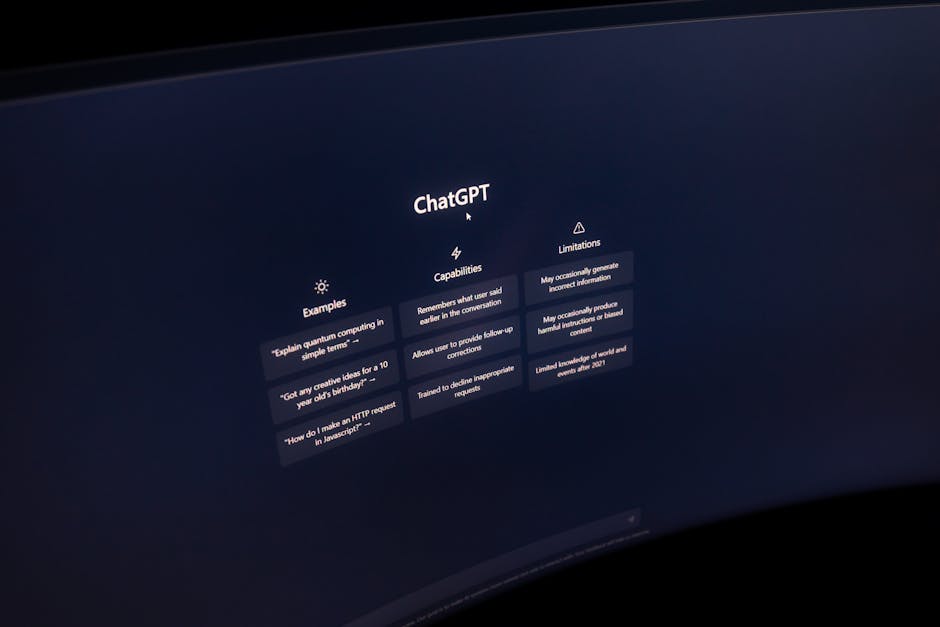
- ChatGPT, developed by OpenAI, leverages vast amounts of public internet text captured up to a specific date, with fine-tuning focused on conversational ability. Suprmind might prioritize scientific and technical literature, optimizing for factual accuracy in specialized domains. StartupFortune likely trains on entrepreneurial and financial news, making it strong for startup market insights but less so for casual chat.
These distinctions naturally cause the models to weight information differently — leading to varied emphasis in responses.
2. Prompt Variance and Interpretation
Even a small difference in prompt wording or format can nudge models toward different answers. Many users underestimate how much prompt variance impacts output:
- Models parse input with probabilistic language understanding, so synonym substitutions or sentence order changes ripple through token predictions. Some models rely heavily on prompt context window and few-shot examples, which shapes their output style and content.
A prompt like “Explain the causes of the 2008 financial stop switching between ai tools crisis” might steer one model towards an economic analysis, while another surfaces political events simply because of internal training differences.
3. Hallucinations and Confident Wrong Stats
The most annoying type of disagreement comes from AI hallucinations — when models produce statements that sound plausible but are factually incorrect. Research from multiple AI teams has shown hallucination rates hovering in the 5-15% range for many tasks, though specifics depend on the question and model.
What frustrates users is the high confidence tone these errors often come with. Phrases like “According to data from 2022” without any source links or verifiable grounding are a red flag. It’s a fundamental challenge in building reliable AI assistants, and one reason why multi-model comparison tools are gaining traction.
The Rise of Multi-Model Comparison Workflows
Recognizing that no single model is always right, AI-powered companies and users are experimenting with multi-model workflows to cross-check and synthesize outputs. Two leading approaches stand out:
Shared Thread for Real-Time Cross-Checking
Platforms like Suprmind offer a shared thread approach where multiple AI models can read each other's answers in the same conversation history. Imagine inputting a prompt once — then watching ChatGPT, Suprmind’s domain-specific AI, and StartupFortune’s model all respond side-by-side. Each model’s output is then fed into the other models' contexts for further refinement and verification.
This process serves multiple purposes:
- Identifies obvious contradictions between models in real-time Highlights consensus answers versus outliers Allows human moderators to quickly zoom into questionable claims or hallucinations
Such dynamic threading mimics a live panel discussion of experts rather than a single AI oracle — increasing trust and reducing reliance on any single model’s “voice.”
Side-by-Side Frontier Model Comparison Tools
Websites and platforms focused on frontier model differences provide side-by-side comparisons of competing AI models under a common prompt. These tools, like the ones incorporated into StartupFortune, enable users to:
- Directly juxtapose output tone, length, and factual content across models Filter answers by confidence scores or predicted hallucination likelihood Experiment with prompt rephrasing to observe divergence sensitivity
By letting models run in parallel, organizations save time on validation steps and get a clearer picture of where AI answers are stable versus unstable.
Why Model Divergence Is Normal and Useful
The fact that AI models disagree should not be seen purely as a flaw. It’s a frontier models side by side feature of probabilistic language understanding at scale and serves important purposes:
Reflects the complexity of human language and knowledge: Unlike deterministic software, language models summarize vast, contradictory source inputs — causing natural variation. Promotes critical thinking: Seeing differing responses prompts users to verify data rather than blindly trust AI. Enables ensemble AI strategies: Combining insights from multiple models can produce richer, more nuanced outputs. Drives continuous model improvement: Highlighting divergences reveals weaknesses and guides focused training updates.Ultimately, embracing AI divergence moves the field closer to trustworthy and transparent AI, rather than searching for a mythical “single truth” model.

Practical Tips for Managing AI Model Disagreement
If you’re building AI products or integrating language models into workflows, here’s how to reduce headaches caused by divergent results:
- Use multi-model comparison tools: Platforms from companies like Suprmind and StartupFortune make it easier to see differing model outputs at a glance. Design prompts carefully and consistently: Minimize prompt variance by using templates and testing variations. Incorporate a human-in-the-loop: Let experts verify and correct AI-generated facts, especially where confidence is high but veracity low. Enable real-time cross-checking: Use shared threads where AI responses feed into each other for validation. Educate users about AI fallibility: Present output as suggestions rather than absolute answers.
Conclusion
AI models disagree on the same prompt because of fundamental differences in architecture, training data, prompt interpretation, and the inherent limits of current language understanding technology. This has led to the rise of multi-model comparison tools and real-time cross-checking workflows, helping humans spot hallucinations and confidently wrong statistics faster.
Rather than viewing frontier model differences as a problem to be eradicated, it’s wiser to treat AI divergence as an opportunity — a way to uncover richer perspectives and improve the reliability of automated assistance.
Thanks to innovations by companies like Suprmind, platforms like StartupFortune, and the widespread adoption of tools such as ChatGPT, multi-model evaluation is becoming a best practice. As the AI landscape expands, reminding ourselves to question, compare, and verify will keep us ahead of the curve — even when models don’t agree.